
SEE CLEARLY.
LIVE CONFIDENTLY.
SEE CLEARLY.
LIVE CONFIDENTLY.


Atlanta's Leader in Vision Correction Surgery
Atlanta Vision Institute is proud to be recognized as a Top Ophthalmology and Refractive Surgery Center in Atlanta, Georgia.
For more than two decades, patients across Atlanta have trusted Dr. Ashraf and the Atlanta Vision Institute team to help them achieve clearer, sharper vision with long-lasting results.
We are excited to be the only eye care center in Georgia offering Zeiss SMILE technology, one of the newest innovations in laser vision correction approved by the FDA.
20+
Years Of Experience
50K+
Satisfied Patients
99%
Patient Satisfaction
OUR PROCEDURES
Find Your Path to Clearer Vision
Tired of Blurry Vision or Relying on Glasses?
Tired of Blurry Vision or Relying on Glasses?
Tired of Blurry Vision or Relying on Glasses?
Tired of blurry vision or relying on glasses and contacts? At Atlanta Vision Institute, we believe vision correction should be customized to your eyes, not forced into a one-size-fits-all solution. That’s why we offer multiple advanced procedures designed to treat different vision conditions and lifestyles. Dr. Ashraf careully evaluates your eyes to recommend the safest and most effective option for you - not just what's available. Learn more about the vision correction options below.
SMILE
Bladeless. No flap. Faster healing. Only available in Georgia at Atlanta Vision Institute.
LASIK
The proven standard. Most patients seeing 20/20 or better by the morning after surgery.
EVO ICL
Not a LASIK candidate? This removable, reversible lens may be your answer.
SMILE
Bladeless. No flap. Faster healing. Only available in Georgia at Atlanta Vision Institute.
LASIK
The proven standard. Most patients seeing 20/20 or better by the morning after surgery.
EVO ICL
Not a LASIK candidate? This removable, reversible lens may be your answer.
LaserOptix
Dr. Ashraf's advanced lens replacement solution - free yourself from readers and distance glasses simultaneously.
Cataract Surgery
Dr. Ashraf performs advanced laser cataract surgery to restore clear vision.
LaserOptix
Dr. Ashraf's advanced lens replacement solution - free yourself from readers and distance glasses simultaneously.
Cataract Surgery
Dr. Ashraf performs advanced laser cataract surgery to restore clear vision.
WHY PATIENTS CHOOSE US
Why Choose Atlanta Vision Institute?
Experience. Innovation. Results You Can Trust.
Only Zeiss SMILE in Georgia
Dr. Ashraf is one of the only surgeons in the state offering SMILE - the most advanced laser eye surgery on the market.
50,000+ procedures, one surgeon
Dr. Ashraf personally performs every procedure - not a rotation of residents. The same hands (and expertise), every time.
Multiple Locations
John's Creek and Dunwoody - strategically placed, so getting to your consultation and follow-ups is never an obstacle.
Always honest, never pressured
We recommend what is right for your eyes - including telling you if surgery is not right for you yet.
Not sure which procedure is right for you?
Schedule a free consultation with Dr. Ashraf for an evaluation and to learn more about your clear vision options.
WHY PATIENTS CHOOSE US
Why Choose Atlanta Vision Institute?
Experience. Innovation. Results You Can Trust.
Only Zeiss SMILE in Georgia
Dr. Ashraf is one of the only surgeons in the state offering SMILE - the most advanced laser eye surgery on the market.
50,000+ procedures, one surgeon
Dr. Ashraf personally performs every procedure - not a rotation of residents. The same hands (and expertise), every time.
Multiple Locations
John's Creek and Dunwoody - strategically placed, so getting to your consultation and follow-ups is never an obstacle.
Always honest, never pressured
We recommend what is right for your eyes - including telling you if surgery is not right for you yet.
Not sure which procedure is right for you?
Schedule a free consultation with Dr. Ashraf for an evaluation and to learn more about your clear vision options.
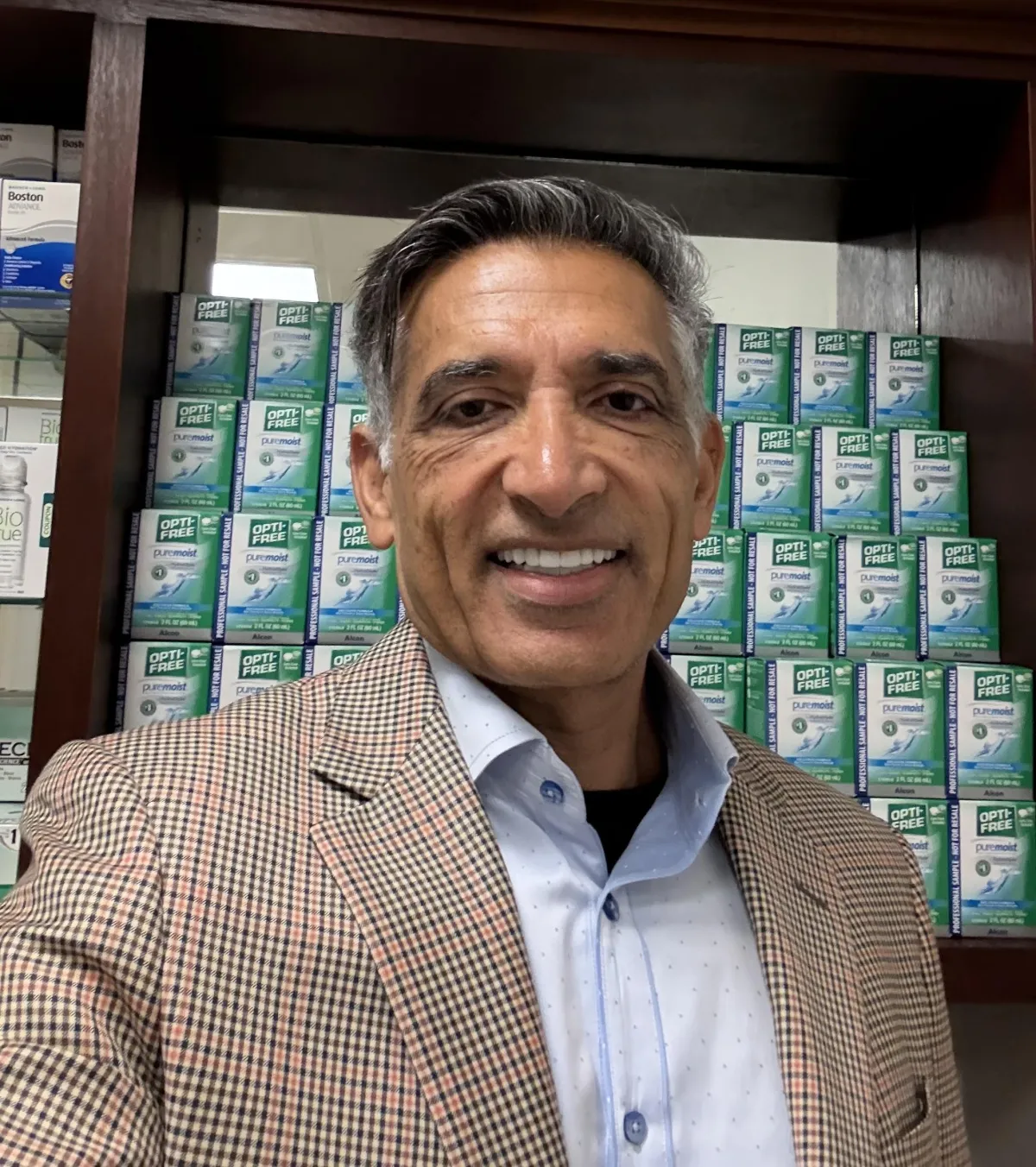
MEET THE SURGEON
Dr. Farooq Ashraf - Atlanta's Trusted Refractive Surgeon
Most practices will tell you their surgeon is experienced. Dr. Ashraf, MD, FACS lets the numbers speak for themselves. 28 years in vision correction. Over 50,000 procedures. One of the only surgeons in Georgia to perform Zeiss SMILE. Voted Best Ophthalmologist by his peers. Recognized by Castle Connolly as a Top Doctor. Extensive training in advanced laser refractive procedures. Helping patients reduce or eliminate their dependence on glasses and contact lenses, every day.
But what his patients remember most is not the credentials. It's that he sits with them, answers every question honestly, and never rushes a decision. Every patient receives a treatment plan tailored specifically to their eyes and lifestyle - making them feel comfortable and confident throughout the entire process. That's rare in any specialty, and exactly what elective procedures demand.
Whether you’re tired of glasses, struggling with cloudy vision, or want the most advanced refractive options, Atlanta Vision Institute offers LASIK, EVO ICL, SMILE, LaserOptix™ or advanced cataract surgery.
MEET THE SURGEON
Dr. Farooq Ashraf - Atlanta's Trusted Refractive Surgeon
Most practices will tell you their surgeon is experienced. Dr. Ashraf, MD, GACS lets the numbers speak for themselves. 28 years in vision correction. Over 50,000 procedures. One of the only surgeons in Georgia to perform Zeiss SMILE. Voted Best Ophthalmologist by his peers. Recognized by Castle Connolly as a Top Doctor. Extensive training in advanced laser refractive procedures. Helping patients reduce or eliminate their dependence on glasses and contact lenses, every day.
But what his patients remember most is not the credentials. It's that he sits with them, answers every question honestly, and never rushes a decision. Every patient receives a treatment plan tailored specifically to their eyes and lifestyle - making them feel comfortable and confident throughout the entire process. That's rare in any specialty, and exactly what elective procedures demand.
Whether you’re tired of glasses, struggling with cloudy vision, or want the most advanced refractive options, Atlanta Vision Institute offers LASIK, EVO ICL, SMILE, LaserOptix™ or advanced cataract surgery.
Why Choose
Atlanta Vision Institute?
Experience. Innovation.
Results You Can Trust.
Expert Care
Over 20 years of exceptional care and over 50,000 procedures performed by top ophthalmology specialist, Dr. Ashraf.
Advanced Technology
First in Georgia to offer Zeiss SMILE LASIK, using FDA-approved laser systems.
Personalized Solutions
LASIK isn’t for everyone. We also specialize in alternatives like EVO ICL and SMILE, so you can see your best.
Patient-Focused
From your first consultation to your final check-up, we guide you every step of the way.
PATIENT STORIES
Life After LASIK (and Beyond)
Over 50,000 people have trusted Dr. Ashraf with the most important thing they own. Hear what they have to say:

"I woke up and could see my alarm clock for the first time in 20 years. I cried. Best decision I ever made."
Sarah M.
SMILE Patient
"15 minutes. That's all it took. Next morning I had 20/15 vision. Dr. Ashraf is the real deal."
Marcus T.
LASIK Patient
"Was told I couldn't have LASIK. Dr. Ashraf recommended EVO ICL. I drove from Alpharetta and would do it a hundred times over."
Jennifer K.
EVO ICL Patient
LASER CATARACT SURGERY IN ATLANTA
Cloudy Vision? Cataracts Don't Have to Slow You Down!
Benefits of Cataract Surgery at
Atlanta Vision Institute
Benefits of Cataract Surgery at
Atlanta Vision Institute
Dr. Ashraf offers advanced cataract surgery, including LaserOptix™, his customized solution for patients.
Clear, precise vision at all distances
Reduced or eliminated dependency on glasses
Safe, outpatient procedure
Quick Recovery
Long-Term Results Tailored to Your Lifestyle
Our team will help you understand when cataract surgery may be appropriate, what your options are, and how advanced lens technology may improve not only the clarity of your vision but the quality of your everyday life.
Your Vision Transformation
Starts With One Conversation
For some patients, life after vision correction means waking up and seeing clearly for the first time in years. For others, it means no more contact lens irritation, no more reaching for glasses in the middle of the night, and no more planning daily life around visual limitations.
Whether your goal is convenience, confidence, performance, or simply clearer everyday living, advanced vision correction can make a meaningful difference.
Take the first step today by scheduling a free vision consultation.
Freedom from glasses and contacts is closer than you think!

Your Vision Transformation Starts With One Conversation
Take the first step today. Freedom from glasses and contacts is closer than you think!
We are committed to guiding you on your journey to clear vision. Our expert team offers a supportive environment to help you thrive, and see the world with 20/20 vision.
Phone: 770-622-2488
Hours:
Monday - Friday 9AM-5PM
Quick links
Services
Cataract Options
Locations
11459 John's Creek Pkwy #100
John's Creek, GA 30097
1611 Mt Vernon Rd #100
Dunwoody, GA 30338
We are committed to guiding you on your journey to clear vision. Our expert team offers a supportive environment to help you thrive, and see the world with 20/20 vision.
Phone: 770-622-2488
Hours:
Monday - Friday 9AM-5PM
Quick links
Services
Cataract Options
Locations
1201 Peachtree St NE #252
Atlanta, GA 30361
11459 John's Creek Pkwy #100
John's Creek, GA 30097
1611 Mt Vernon Rd #100
Atlanta, GA 30338
© Atlanta Vision Institute. 2026. All Rights Reserved.